
Kamehameha I
Conqueror and first ruler of the Kingdom of Hawaii.

via Wikipedia: History of Hawaii · see source
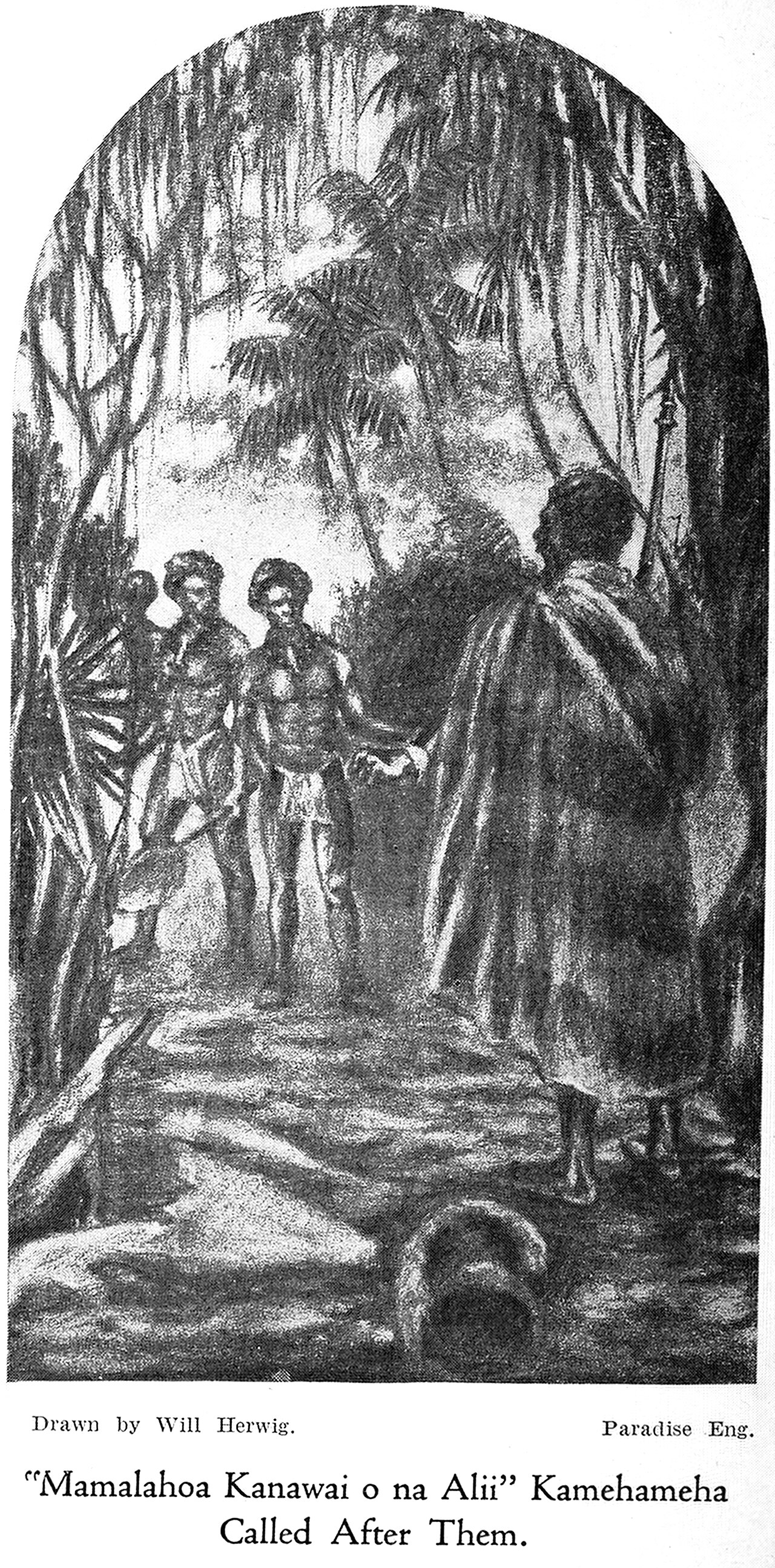
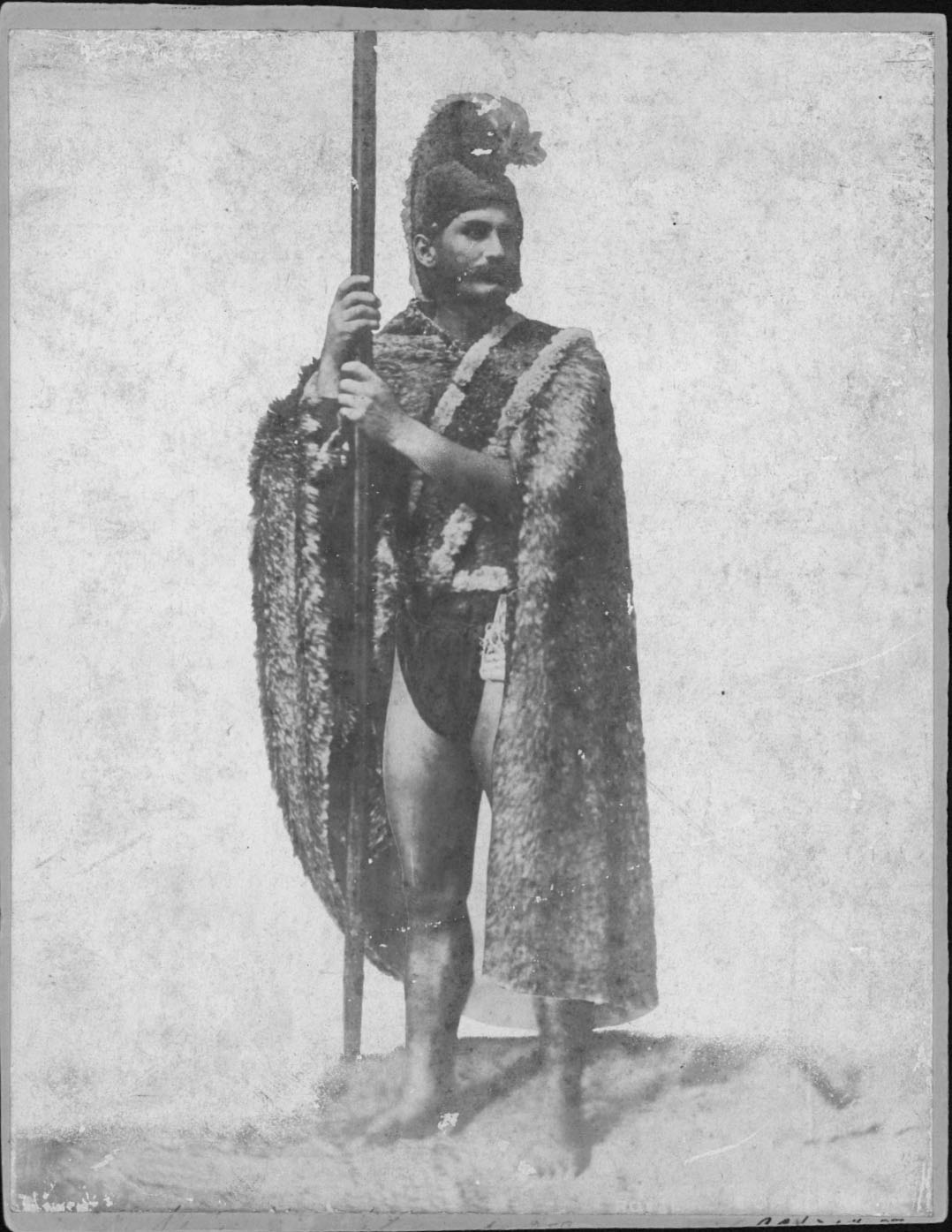
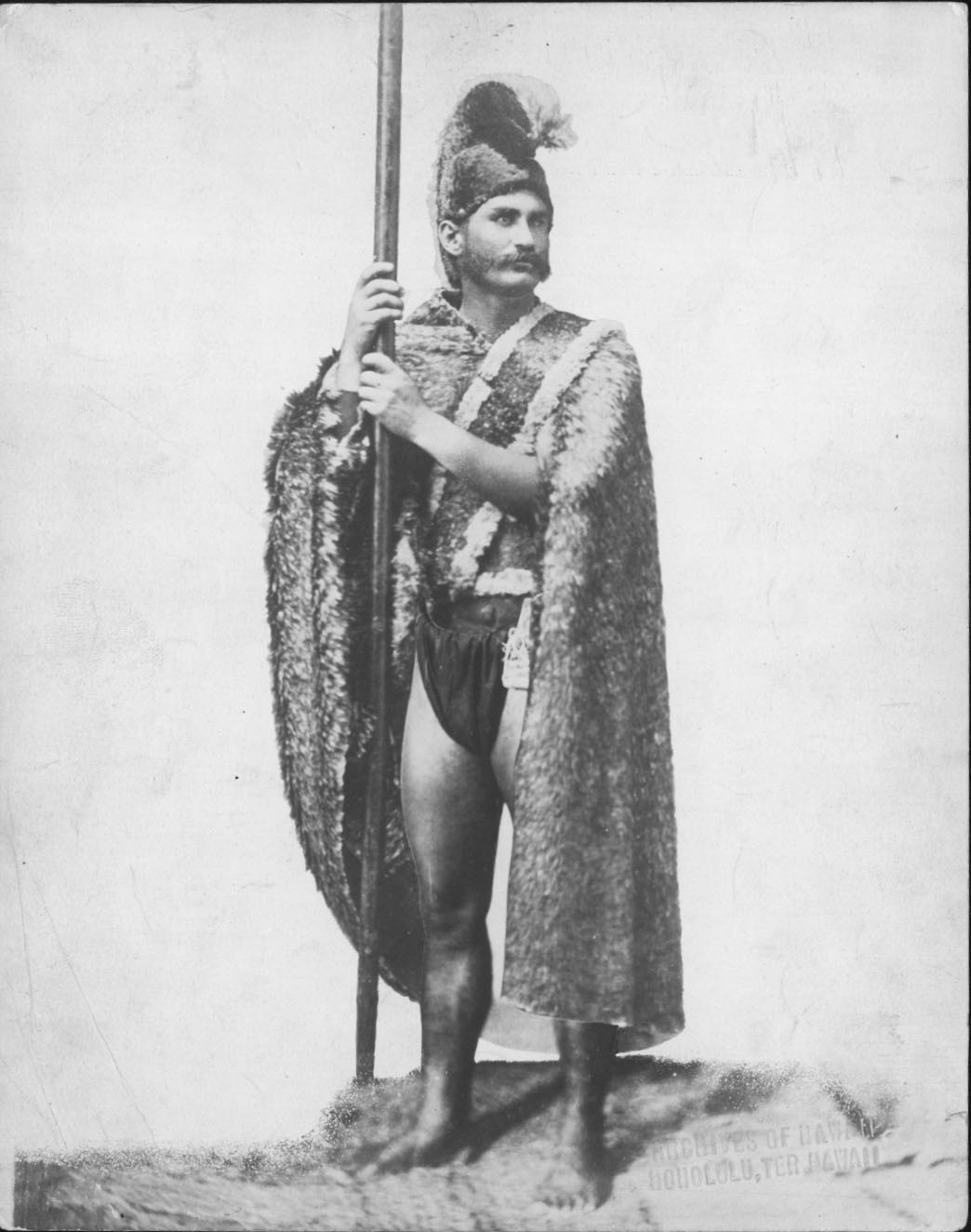
Kamehameha I conquered and unified most of the Hawaiian Islands in 1795, aided by firearms and ships introduced through contact with Europeans. The unification was completed in 1810 when Kauaʻi and Niʻihau voluntarily joined the kingdom, marking the end of the long tradition of warfare among rival chiefs. As ruler of the island of Hawaii, he imposed the name Hawaiʻi on the whole island group when he unified them as the Kingdom of Hawaiʻi. According to genealogical traditions, Pili—an ancestor of Kamehameha I—overthrew a tyrant king and became ruler after being brought from Tahiti by the priest Paʻao.
- died
- May 8, 1819
Verified Timeline
Lore & Background
Kamehameha I conquered and unified most of the Hawaiian Islands in 1795, aided by firearms and ships. The unification was completed in 1810 when Kauaʻi and Niʻihau voluntarily joined the kingdom, ending the long tradition of warfare among rival chiefs. As ruler of the island of Hawaii, he imposed the name Hawaiʻi on the whole island group when he unified them as the Kingdom of Hawaiʻi. According to genealogical traditions, Pili—an ancestor of Kamehameha I—overthrew a tyrant king and became ruler after being brought from Tahiti by the priest Paʻao. The source does not provide details on his wives, children, final years, height, weight, paternity disputes, or the date of his death.
Reader's Guide
Kamehameha I's significance lies in his unification of the Hawaiian Islands into a single kingdom, ending centuries of internecine warfare among competing chiefs. His conquests, aided by Western firearms and ships, established a centralized monarchy that endured until the overthrow of the Hawaiian Kingdom in 1893. His reign marked a turning point in Hawaiian history, as the islands transitioned from a collection of warring chiefdoms to a unified kingdom that would later engage with global powers.
Did You Know?
- Kamehameha I conquered and unified most of the Hawaiian Islands in 1795, aided by firearms and ships introduced through contact with Europeans.
- The unification was completed in 1810 when Kauaʻi and Niʻihau voluntarily joined the kingdom.
- As ruler of the island of Hawaii, Kamehameha I imposed the name Hawaiʻi on the whole island group when he unified them as the Kingdom of Hawaiʻi.
- According to genealogical traditions, Pili—an ancestor of Kamehameha I—overthrew a tyrant king and became ruler after being brought from Tahiti by the priest Paʻao.
Unification and the Birth of a Kingdom
Kamehameha I's most defining achievement was the consolidation of the Hawaiian Islands into a single political entity—a feat no chief had accomplished before. For centuries, the islands had been governed by independent aliʻi who waged wars to expand their territories and protect their communities from rival chiefs. The arrival of Captain James Cook in January 1778 introduced a transformative element: European firearms and naval technology. Kamehameha, ruling from the island of Hawaiʻi, leveraged these new weapons alongside traditional military skill to conquer and unify most of the archipelago by 1795. The process concluded in 1810 when the islands of Kauaʻi and Niʻihau chose to join the kingdom voluntarily rather than through force. This unification brought an end to the long-standing cycle of inter-chieftain warfare. Kamehameha also imposed the name Hawaiʻi on the entire island group, a name that had previously applied only to his home island. The result was a sovereign Kingdom of Hawaiʻi that would go on to shape Pacific geopolitics for generations.
The Ancient World Kamehameha Inherited
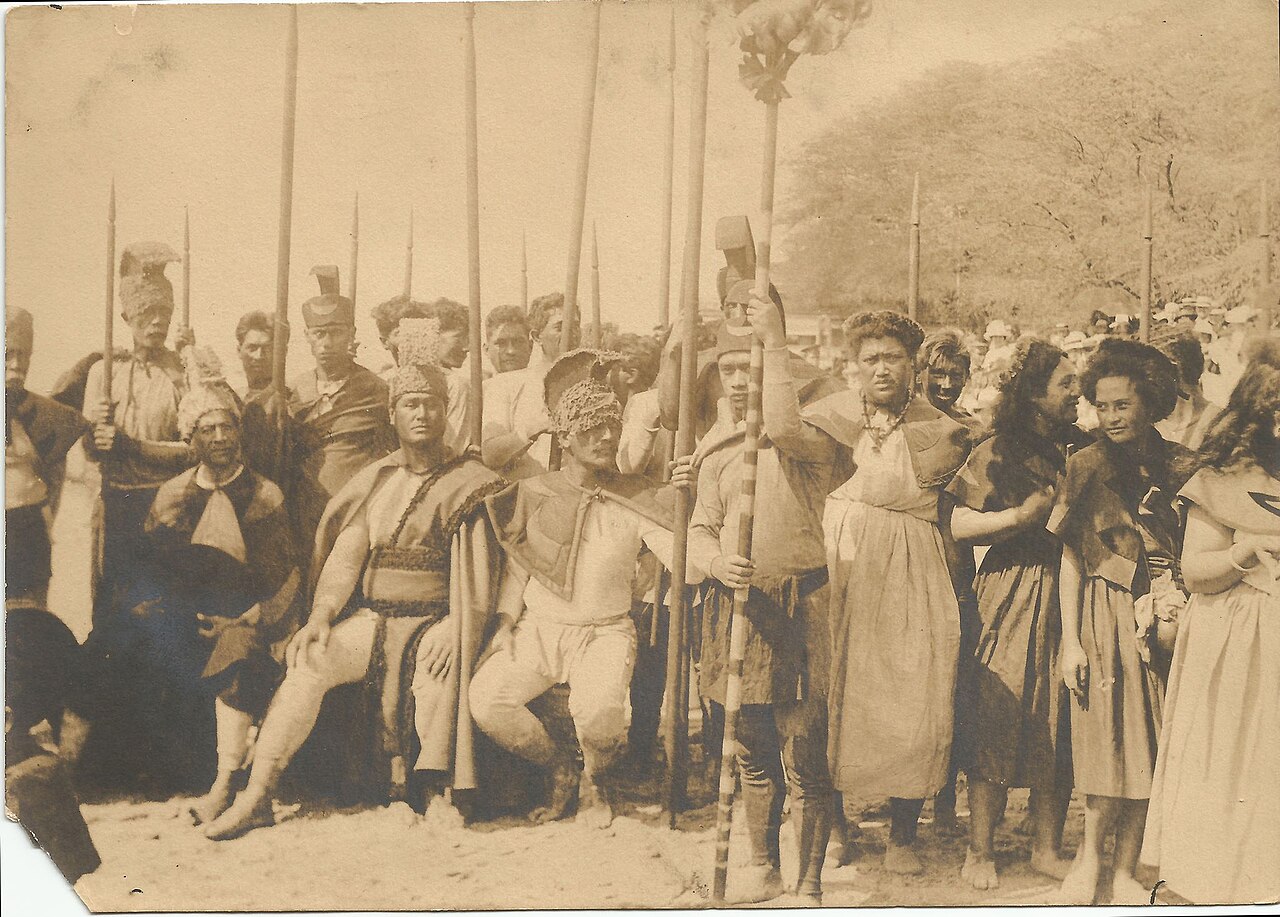
Kamehameha I rose to power within a society whose foundations stretched back nearly a millennium. Polynesian settlers first reached the Hawaiian Islands between 940 and 1200 AD, gradually building a complex civilization sustained by upland agriculture, ocean fishing, fishponds, and gardening systems. The social order was rigidly stratified—reminiscent of the caste systems found in India—divided into the aliʻi nui (supreme king), the ʻaha kuhina, royal nobles, high priests called kahuna, commoners known as makaʻāinana, and the kauā at the bottom. A strict code of conduct called kapu governed nearly every aspect of daily life, from fishing rights to where women were permitted to eat. The spiritual concept of lokahi wove together the Creator (Akua), the people (Kanaka Maoli), and the land (ʻaina) in a reciprocal triangle of mutual obligation. Genealogy chants recited at formal gatherings traced royal lineage back to the era of gods. It was within this intricate, spiritually grounded world that Kamehameha's ancestors, including the chief Pili, had once seized power from a tyrant ruler.
Sovereignty, Diplomacy, and a Multi-Ethical Society
The Kingdom of Hawaiʻi that Kamehameha I founded quickly grew into a recognized player on the world stage. Beginning in the 1820s, the kingdom forged treaties and diplomatic exchanges with major powers including the United States, Japan, Great Britain, France, and Spain. The United States signed its first formal treaty with Hawaii on December 23, 1826, and France followed on July 17, 1839. This international standing was underpinned by the kingdom's agricultural output and its strategic position in the Pacific. Domestically, the monarchy fostered an increasingly multi-ethnic society. Waves of permanent immigrants arrived from Japan, China, and the Philippines to work in cane and pineapple fields, while the Japanese government organized and protected its citizens, who made up roughly a quarter of the population by 1896. In 1840, the kingdom established a constitutional monarchy that guaranteed equal voting rights regardless of race, gender, or wealth—a remarkably progressive framework for its era.
Demographic Loss, Overthrow, and Enduring Resilience
The long shadow of Kamehameha I's kingdom extended far beyond his lifetime, encompassing both extraordinary loss and remarkable resilience. The Native Hawaiian population, estimated at around 300,000 before Cook's 1778 arrival, suffered a precipitous decline: roughly 142,000 in the 1820s, 82,203 by the 1850 census, 40,622 in 1890, and just 37,656 in the 1900 U.S. census. The kingdom's sovereignty itself was shattered in 1893 when Queen Liliʻuokalani was illegally deposed and confined by businessmen with the aid of U.S. Marines. A brief Republic of Hawaii followed before the islands were annexed by the United States in 1898 and eventually admitted as the 50th state in 1959. Yet the demographic tide reversed after 1900, with every subsequent census recording growth, reaching 680,442 people of Native Hawaiian heritage including mixed ancestry by 2020—a testament to the enduring cultural continuity that Kamehameha's unification first made possible.
Gallery
Frequently Asked Questions
Who is Kamehameha I?
Kamehameha I, frequently called Kamehameha the Great, was the military leader who brought the Hawaiian islands together under a single sovereign rule. He is recognized as the first king of the unified Kingdom of Hawaii.
What is Kamehameha I's main achievement?
His defining act was conquering the rival island kingdoms and forging them into one political entity. That unification ended long-standing inter-island warfare and established a centralized Hawaiian state.
When did Kamehameha I die?
Kamehameha I died on May 8, 1819. He had been born around 1758, so his life and reign spanned the late eighteenth and early nineteenth centuries.
Why is Kamehameha I considered so important in Hawaiian history?
He is regarded as the foundational figure who transformed a patchwork of competing island chiefdoms into a single, coherent nation. His unification set the stage for everything that followed in Hawaiian political development.
Is there a statue of Kamehameha I in the U.S. Capitol?
Yes, the state of Hawaii donated a statue of him to the National Statuary Hall Collection in Washington, D.C. He stands there as one of the few non-U.S.-born individuals honored in that permanent congressional gallery.
More in Explorers & Pioneers 25-30
Elsewhere in the Explorers & Pioneers universe
Spotted an error? Know more?
This is a living reference — every entry is fact-audited, and reader corrections feed straight into our audit queue. Suggest an edit · See this site's audit record