
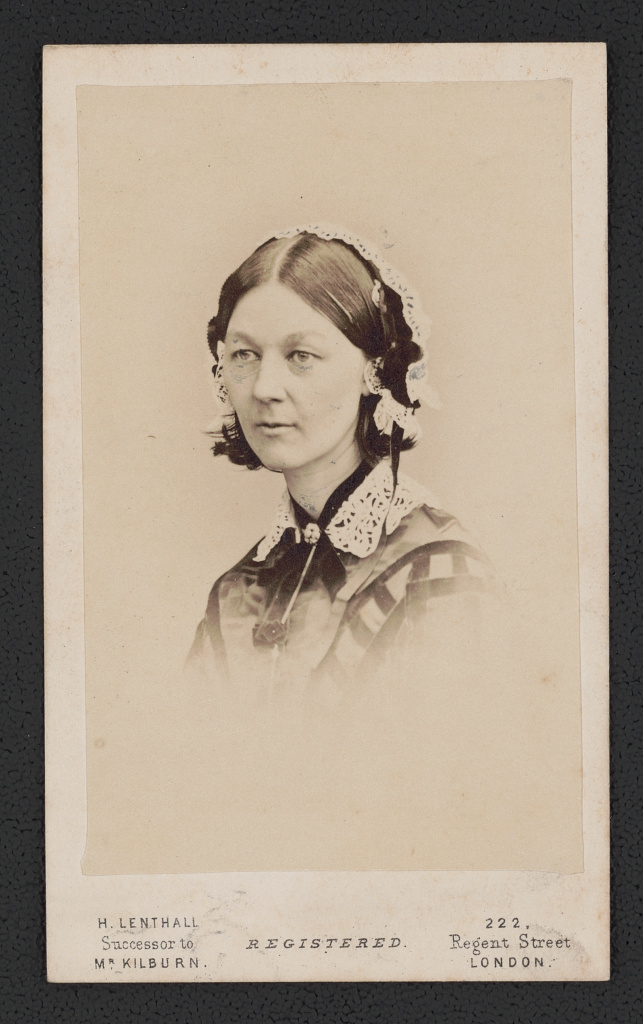
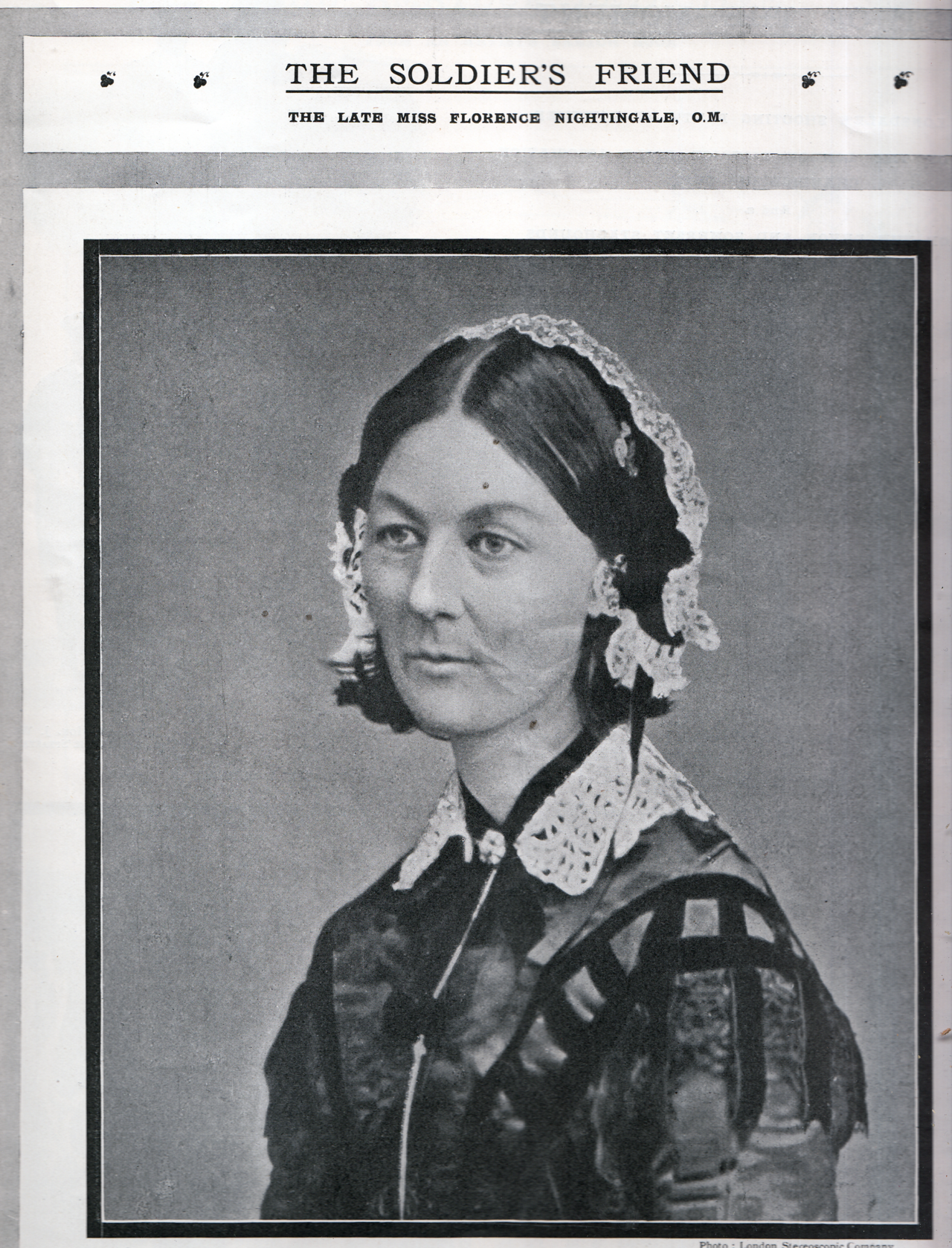
Florence Nightingale
Philanthropist and nurse known for her Crimean dispute with Florence Nightingale.

"Goodman" · Public domain
Mary Stanley (14 December 1813 – 26 November 1879) was a philanthropist and nurse, best known for her dispute in the Crimea with her friend Florence Nightingale. She was born in Alderley, Cheshire, the second of five children to Edward Stanley, later Bishop of Norwich, and sister of Arthur Stanley, Dean of Westminster, and Owen Stanley, the naval explorer. She was a close friend of Sidney Herbert and his wife, and an ardent Puseyite who converted to Catholicism in 1856.
- born
- 14 December 1813
- died
- 26 November 1879
- field
- Philanthropy, nursing
- nationality
- English
- known_for
- Dispute in the Crimea with Florence Nightingale
Verified Timeline
Lore & Background
Mary Stanley answered the appeal for nurses for the Crimea, sharing Florence Nightingale's interest in nursing after the two became friends in 1847. Like Nightingale, she advocated the Kaiserswerth plan for a time, but while Nightingale initially admired the Sisters of Mercy and later Kaiserswerth, Stanley went the other way, leading to her conversion. She helped the government recruit the first group of nurses to Constantinople, including nuns from the Irish Sisters of Mercy. With aid from Cardinal Manning, Stanley led a second party of predominantly Catholic nurses to the Crimea. The rift with Nightingale began when she arrived; despite Nightingale's reviews of these nurses, some went on to have stellar careers, and the primary objection was probably over who was in charge and a degree of mistrust of Catholics at the time.
Reader's Guide
Mary Stanley's published works include 'Hospitals and Sisterhoods' (1854), outlining issues with getting trained women for nursing roles in British hospitals, and 'True to Life: A Simple Story' (1873). After returning from the Crimea, she continued philanthropic work: establishing savings clubs, an industrial laundry, and creating employment for soldiers' wives in army uniform production. In 1861, during the 'cotton famine' in Lancashire caused by the American Civil War, she assisted Elizabeth Gaskell in distributing aid to unemployed cotton workers. In 1870, she became a founding member of the Ladies' Committee of the British Red Cross. She died on 26 November 1879 at age 66 and is buried in Alderley, Cheshire.
Did You Know?
- Mary Stanley was the sister of Arthur Stanley, Dean of Westminster, and Owen Stanley, the naval explorer.
- She converted to Catholicism in 1856.
- She led a second party of predominantly Catholic nurses to the Crimea with aid from Cardinal Manning.
- Her book 'Hospitals and Sisterhoods' was published in 1854.
- She became a founding member of the Ladies' Committee of the British Red Cross in 1870.
Faith, Family, and the Road to Rome
Mary Stanley entered the world on 14 December 1813 in Alderley, Cheshire, as the second of five children born to Edward Stanley, who would later serve as Bishop of Norwich. Her siblings included Arthur Stanley, who rose to become Dean of Westminster, and Owen Stanley, known as a naval explorer. From an early age, Stanley moved in influential circles; she formed a close friendship with Sidney Herbert and his wife, a connection that would prove significant in her later public life. Her spiritual journey was marked by deep conviction. She was a devoted Puseyite, committed to the high-church Anglican movement, yet her theological path ultimately led her in a different direction. This shift was not merely a private decision but was intertwined with her professional convictions about nursing and religious order, as she moved away from the Kaiserswerth model that her friend Florence Nightingale had embraced. Stanley's faith shaped her identity, her friendships, and the choices that would define her public career.
The Crimean Mission and the Nightingale Rift
When the call went out for nurses to serve in the Crimean War, Mary Stanley answered alongside her friend Florence Nightingale, a bond the two had forged in 1847. Both women had initially championed the Kaiserswerth system of nursing training, but their paths diverged. Nightingale's admiration shifted from the Sisters of Mercy toward Kaiserswerth, while Stanley moved in the opposite direction, a theological realignment that would eventually carry her into the Catholic fold. Stanley played a crucial logistical role, assisting the government in recruiting the first contingent of nurses bound for Constantinople, a group that included nuns from the Irish Sisters of Mercy. With the backing of Cardinal Manning, she then organized and led a second, predominantly Catholic nursing party to the front. The fracture between Stanley and Nightingale erupted upon Stanley's arrival. Yet several of the nurses Nightingale disparaged went on to distinguished careers in the profession.
A Voice for Nursing Reform
Beyond the wards, Mary Stanley made her mark as a writer and advocate for the professionalization of nursing in Britain. In 1854, she published 'Hospitals and Sisterhoods,' a work that laid bare the practical and institutional obstacles preventing trained women from securing proper roles within British hospitals. The book reflected her firsthand experience of the gaps in the system—gaps she had witnessed while helping to organize nursing contingents for the war effort. Nearly two decades later, in 1873, she turned to a different literary register with 'True to Life: A Simple Story,' a narrative work that broadened her public presence beyond the strictly professional sphere. These publications positioned Stanley as a thinker who understood nursing not merely as charitable service but as a discipline requiring structural support, clear hierarchies, and institutional respect. In an era when the boundaries between voluntary charity and professional practice were still being drawn, her written arguments contributed to the broader conversation about how women's medical labor should be organized, valued, and sustained within the national healthcare framework.
Philanthropy and a Life of Service
After returning from the Crimean front, Mary Stanley channeled her energies into a sustained programme of social and economic support for her community. She established savings clubs to help working families build financial security, set up an industrial laundry, and created jobs for soldiers' wives by employing them in the production of army uniforms. Her commitment to practical relief was tested on a larger scale in 1861, when the American Civil War triggered the 'cotton famine' in Lancashire, leaving cotton workers unemployed. Stanley worked alongside Elizabeth Gaskell to distribute aid to those affected, turning her organizational skills toward a crisis that struck her home region. In 1870, she became a founding member of the Ladies' Committee of the British Red Cross, extending her humanitarian work into the emerging framework of international relief. Mary Stanley died on 26 November 1879 at the age of sixty-six and was buried in Alderley, Cheshire, the same small parish where she had been born more than six decades earlier.
Gallery
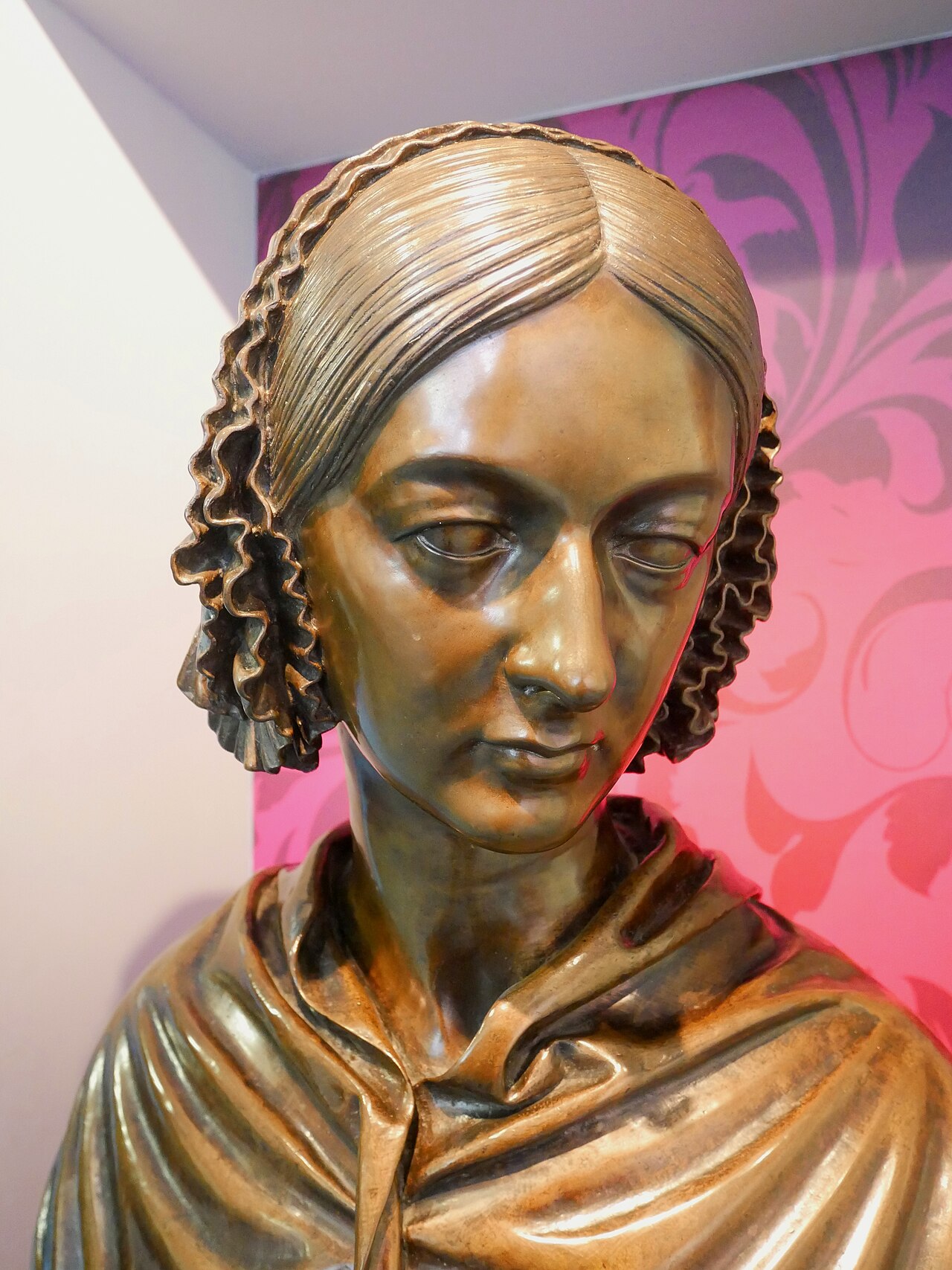
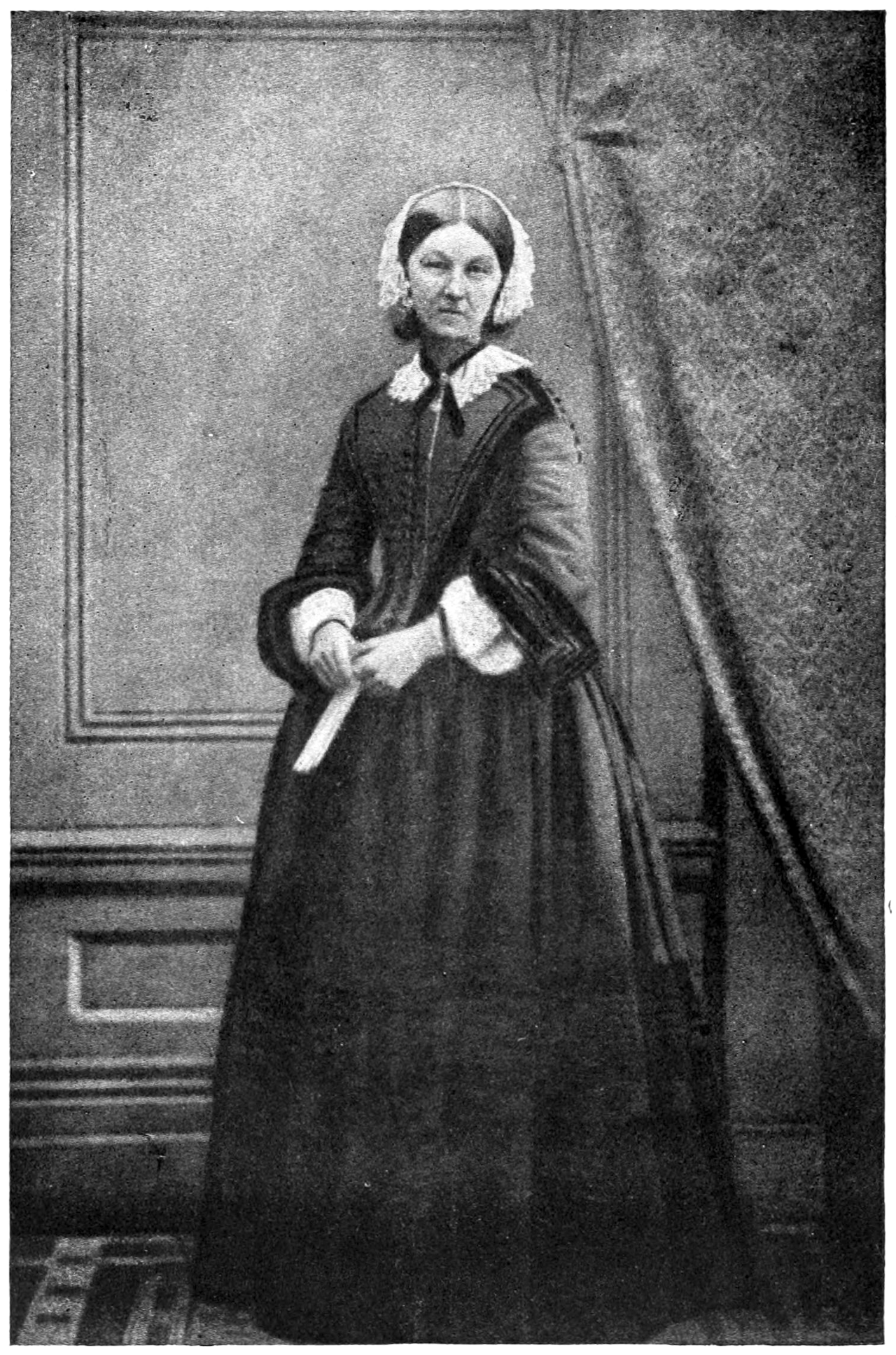
Frequently Asked Questions
Who is Florence Nightingale?
Florence Nightingale was an Englishwoman born in 1820 who became a pioneering figure in healthcare, social reform, and statistics. She is widely credited with establishing nursing as a respected, professional discipline in the modern era.
What is Florence Nightingale's role or legacy in the Explorers & Pioneers canon?
She is recognized as the founder of modern nursing, having reorganized how hospitals trained and managed their nursing staff. Her methods for cutting mortality through sanitation and proper care standards transformed both military and civilian healthcare.
What did Florence Nightingale do during the Crimean War?
She led a team of nurses at a military hospital in Constantinople, where she overhauled sanitation, ventilation, and food quality for the wounded soldiers. These practical improvements dramatically lowered the death rate among patients.
Why is Florence Nightingale considered important?
She elevated nursing from an informal, low-status job into a structured profession with formal training and ethical standards. She also pioneered the use of visual data—her famous rose diagram—to argue for public-health reforms.
What is the 'Lady with the Lamp' connection to Florence Nightingale?
The nickname came from her habit of walking the hospital wards at night with a lamp to check on patients, an image that became a defining symbol of Victorian-era compassion and service.
More in Explorers & Pioneers 1-24
Elsewhere in the Explorers & Pioneers universe
Spotted an error? Know more?
This is a living reference — every entry is fact-audited, and reader corrections feed straight into our audit queue. Suggest an edit · See this site's audit record