
John A. Macdonald
First prime minister of Canada and architect of Confederation.

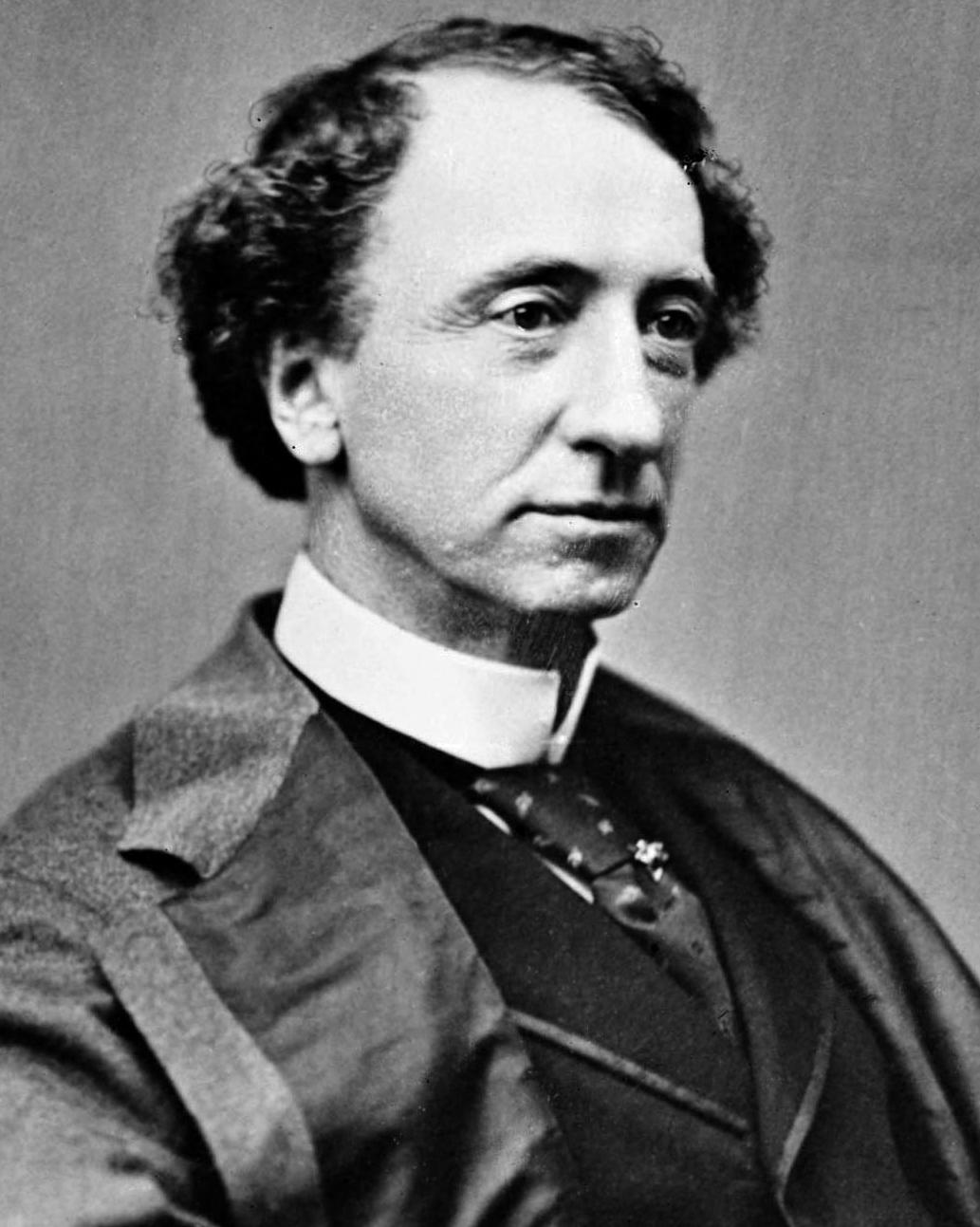
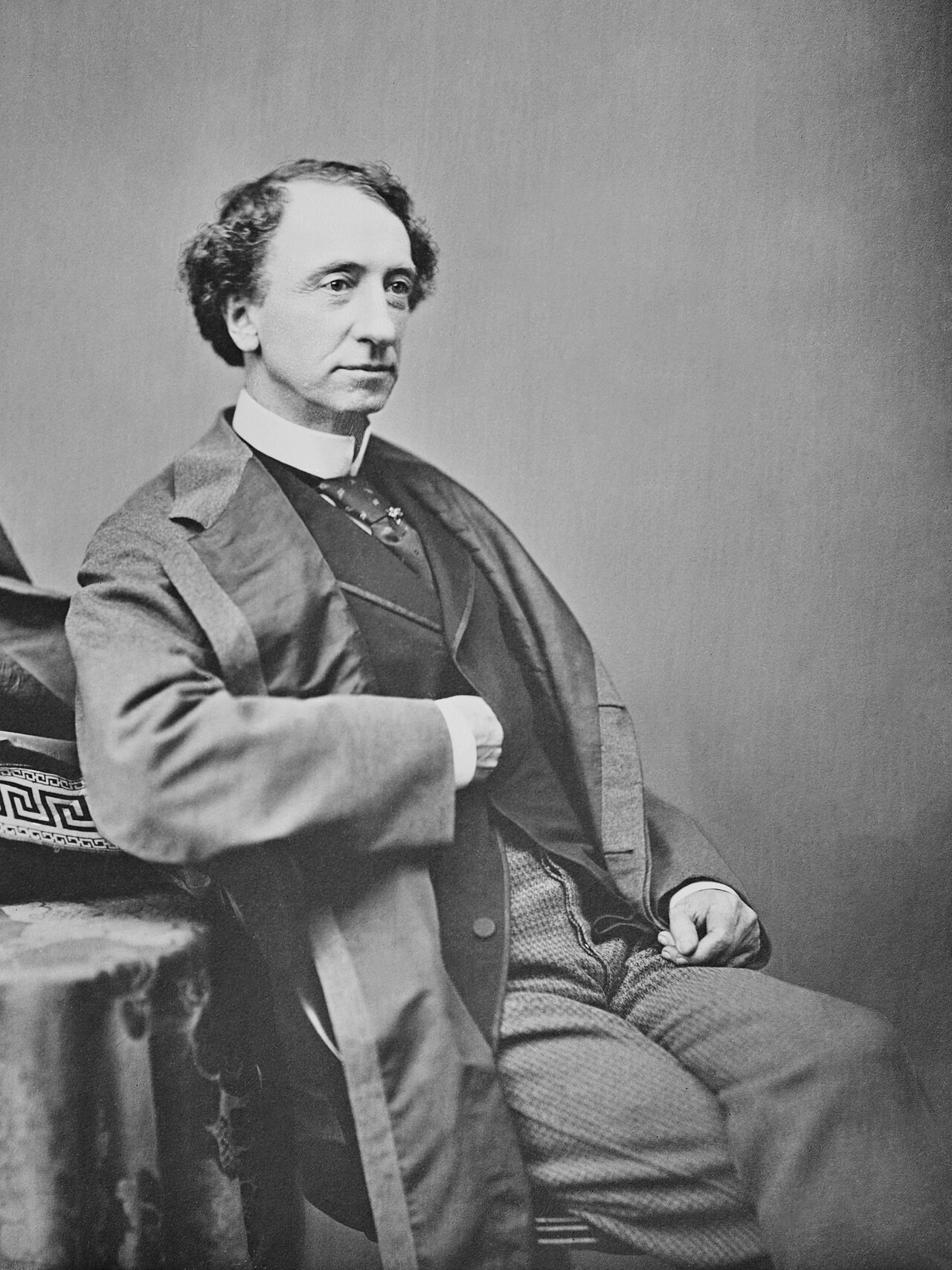
William Notman, 1863. · Public domain
- field
- Politics, Law
- nationality
- Canadian (born Scottish)
- known_for
- First prime minister of Canada; leading figure in Canadian Confederation; National Policy; Canadian Pacific Railway
Lore & Background
John Alexander Macdonald was born in Ramshorn parish in Glasgow, Scotland, the third of five children. Macdonald's formal schooling ended at age 15; he later regretted not attending university. As a lawyer, he took on high-profile cases, including defending an accused charged with assault with intent to commit rape, and quickly became prominent in Kingston. Macdonald served as prime minister for 19 years.
Reader's Guide
Macdonald's significance lies in his central role in creating and consolidating the Dominion of Canada. He fought to limit provincial powers. He remains respected by others for his key role in Confederation. Historical rankings of Canadian prime ministers have consistently placed him among the highest-rated.
The Name and Its Weight
Few surnames in North American public life carry the same density of near-identical names as Macdonald. The man who served as the first prime minister of Canada—John A. Macdonald, who lived from 1815 to 1891—exists in the historical record surrounded by a constellation of similarly named figures. He must be carefully distinguished from John Sandfield Macdonald, the first premier of Ontario; from John Small MacDonald, a merchant and politician in Prince Edward Island; and from a John Macdonald who served as a member of parliament before becoming a senator. Even the middle initial matters: the "A" separates him from John Alexander Macdonald Armstrong, an Ontario politician and conveyancer born a generation later. For any reader navigating the tangled web of Canadian political history, the precise combination of given name, middle initial, and office held is the only reliable way to isolate the man who first held the premiership in Canada from the many others who shared, in whole or in part, his name.
First in a New Nation's Leadership
The single most defining fact about John A. Macdonald is his title: he was the first prime minister of Canada. Born in 1815 and dying in 1891, he occupied the apex of a national government at a time when the country's institutions were still being shaped. In the structured taxonomy of public figures, he is filed squarely in the Government section under Canada, a category that also contains a long roster of other Macdonalds who served in provincial legislatures, as senators, or as members of parliament. Yet no other name in that list carries the qualifier "first." That single word marks him as the original holder of an office that would define Canadian political life for generations. His lifespan, spanning seventy-six years of the nineteenth century, places him in the era when Canada was finding its political form, and his premiership represents the moment that form received its first chief executive. In every reference work, every disambiguation page, every index, it is this one fact—first, prime minister, Canada—that separates his entry from the dozens of others bearing the same surname.
A Name That Endures in Steel and Ice
Long after the man himself passed from the scene in 1891, the name John A. Macdonald continues to anchor a living piece of Canadian infrastructure. The Canadian Coast Guard operates an icebreaker bearing his full name—CCGS John A. Macdonald—keeping his identity in active, daily use on the waterways of the country he first led. This is a remarkable form of commemoration: not a static statue or a plaque in a hallway, but a working vessel that pushes through frozen seas, carrying the name of the nation's first prime minister into the most demanding maritime conditions. The choice to affix his name to a ship of this kind suggests that his legacy was understood to be one of endurance and service in harsh environments, qualities that mirror the challenges of establishing a young nation. In a world where the Macdonald name appears across dozens of politicians, authors, athletes, and clergy, the icebreaker stands as one of the most tangible, visible reminders that the original John A. Macdonald was the one who set the template for Canadian leadership.
Among the Macdonalds of Canadian Public Life
Any survey of Canadian political history reveals an extraordinary concentration of the Macdonald surname in public service, and John A. Macdonald sits at the head of that lineage. In the same reference entries that list him, one finds John Sandfield Macdonald, who served as the first premier of Ontario; John Small MacDonald, a merchant and politician in Prince Edward Island; a John Macdonald who held a seat in parliament before moving to the Senate; and John Alexander MacDonald, who spoke for the Prince Edward Island assembly. Further down the list appear John Joseph MacDonald, a senator for Prince Edward Island; John Michael Macdonald, a senator for Nova Scotia; and John Welsford Macdonald, a barrister, judge, and member of the Nova Scotia House of Assembly. The breadth of the family's political presence—spanning multiple provinces, multiple chambers, and multiple generations—underscores how deeply the name was woven into the fabric of Canadian governance. Yet it is the middle initial "A" and the title of prime minister that single out one John Macdonald above all the rest, marking him as the origin point from which the others' careers, in a sense, radiate.
Gallery
Frequently Asked Questions
What is John A. Macdonald's main role or legacy?
He is best remembered as the architect of Canadian Confederation, the process that united the provinces into a single nation. His tenure also saw the passage of the National Policy and the push to complete the Canadian Pacific Railway.
Why is John A. Macdonald considered important to explorers and pioneers?
As the leader who forged a unified Canadian nation, he set the political framework that guided westward expansion and settlement across the continent. His vision for a transcontinental railway and a cohesive national identity shaped the pioneer era of the nineteenth century.
More in Explorers & Pioneers 25-30
Elsewhere in the Explorers & Pioneers universe
Spotted an error? Know more?
This is a living reference — every entry is fact-audited, and reader corrections feed straight into our audit queue. Suggest an edit · See this site's audit record