
Georges Cuvier
Founding father of paleontology who helped establish extinction as a scientific concept.

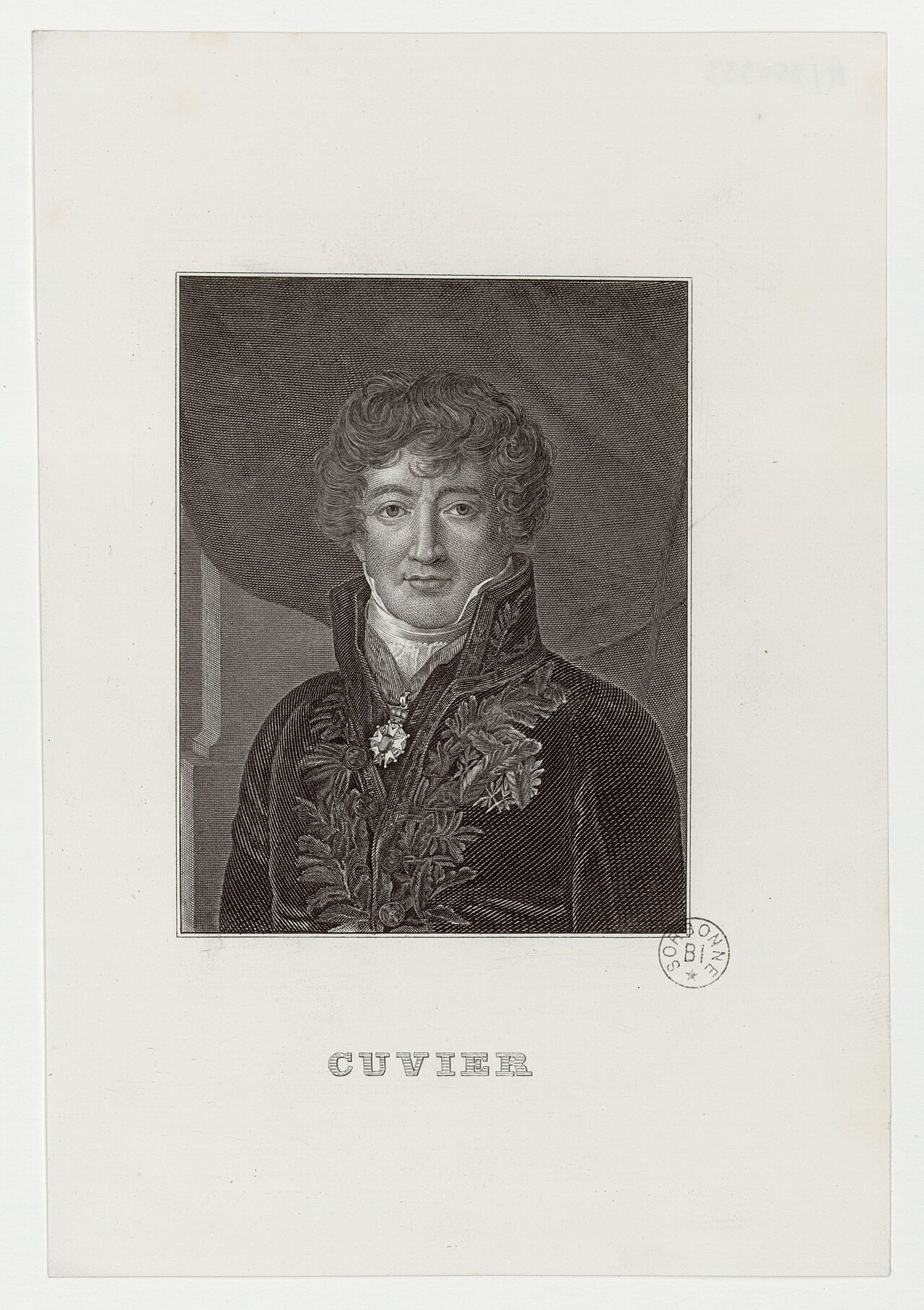
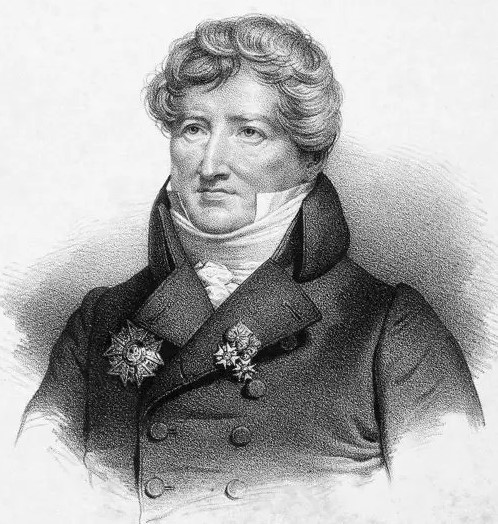
Georges Cuvier · Public domain
Georges Cuvier was a French naturalist and zoologist, often called the founding father of paleontology. He was a major figure in early 19th-century natural sciences, instrumental in establishing comparative anatomy and paleontology by comparing living animals with fossils.
- known_for
- Founding father of paleontology; catastrophism; biostratigraphy
Reader's Guide
Cuvier's significance lies in founding vertebrate paleontology and establishing extinction as a scientific fact, which was controversial at the time. His work comparing living animals with fossils laid the basis for comparative anatomy and paleontology. He expanded Linnaean taxonomy by grouping classes into phyla and incorporating fossils. His catastrophism, proposing periodic flooding events wiped out species, influenced geology.
Did You Know?
- Cuvier subjected Sarah Baartman to examinations and conducted a dissection after her death, comparing her features to those of monkeys.
- Although 72 names of scientists and engineers are inscribed on the Eiffel Tower, Cuvier is not among them—the list includes Geoffroy Saint-Hilaire instead.
Gallery
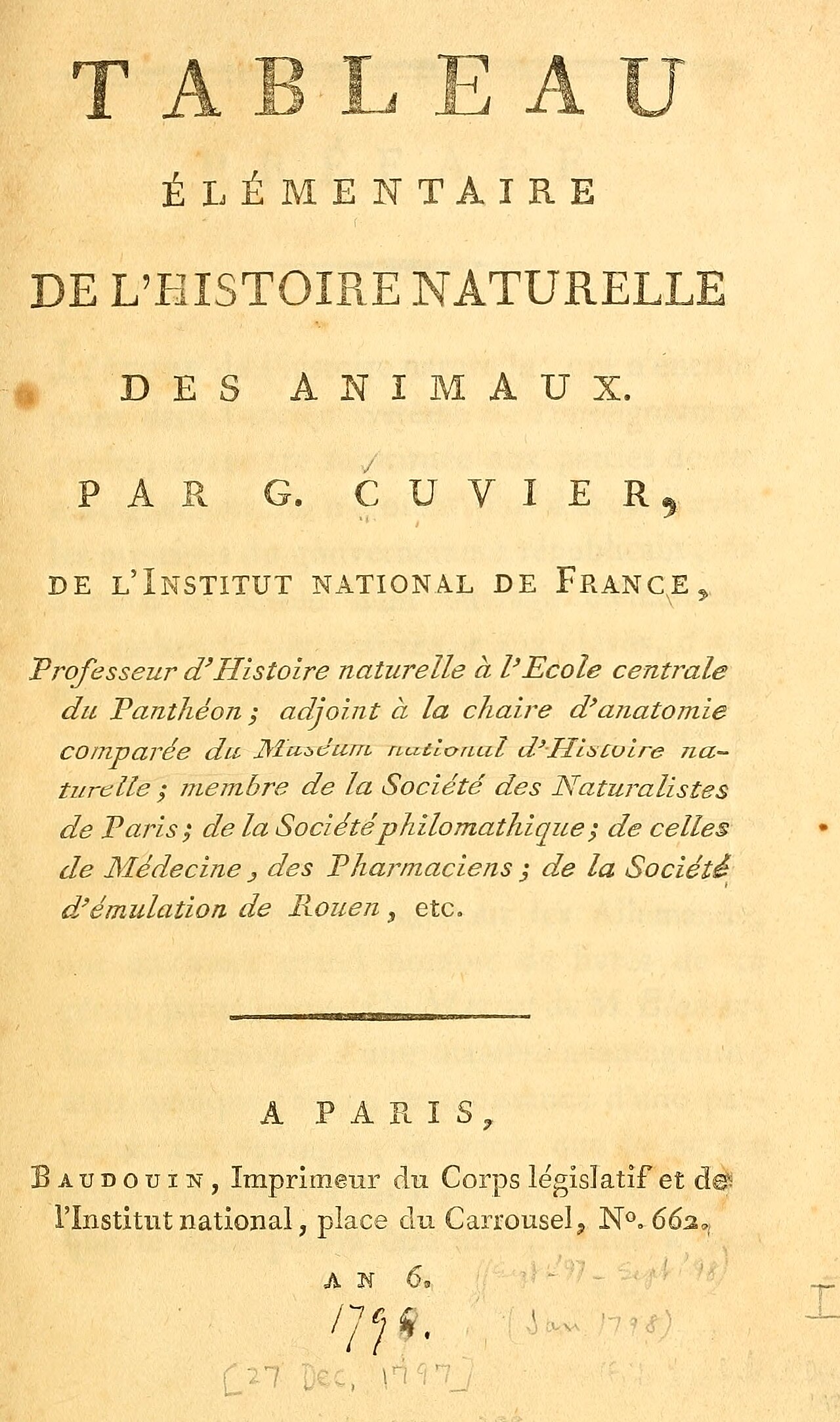
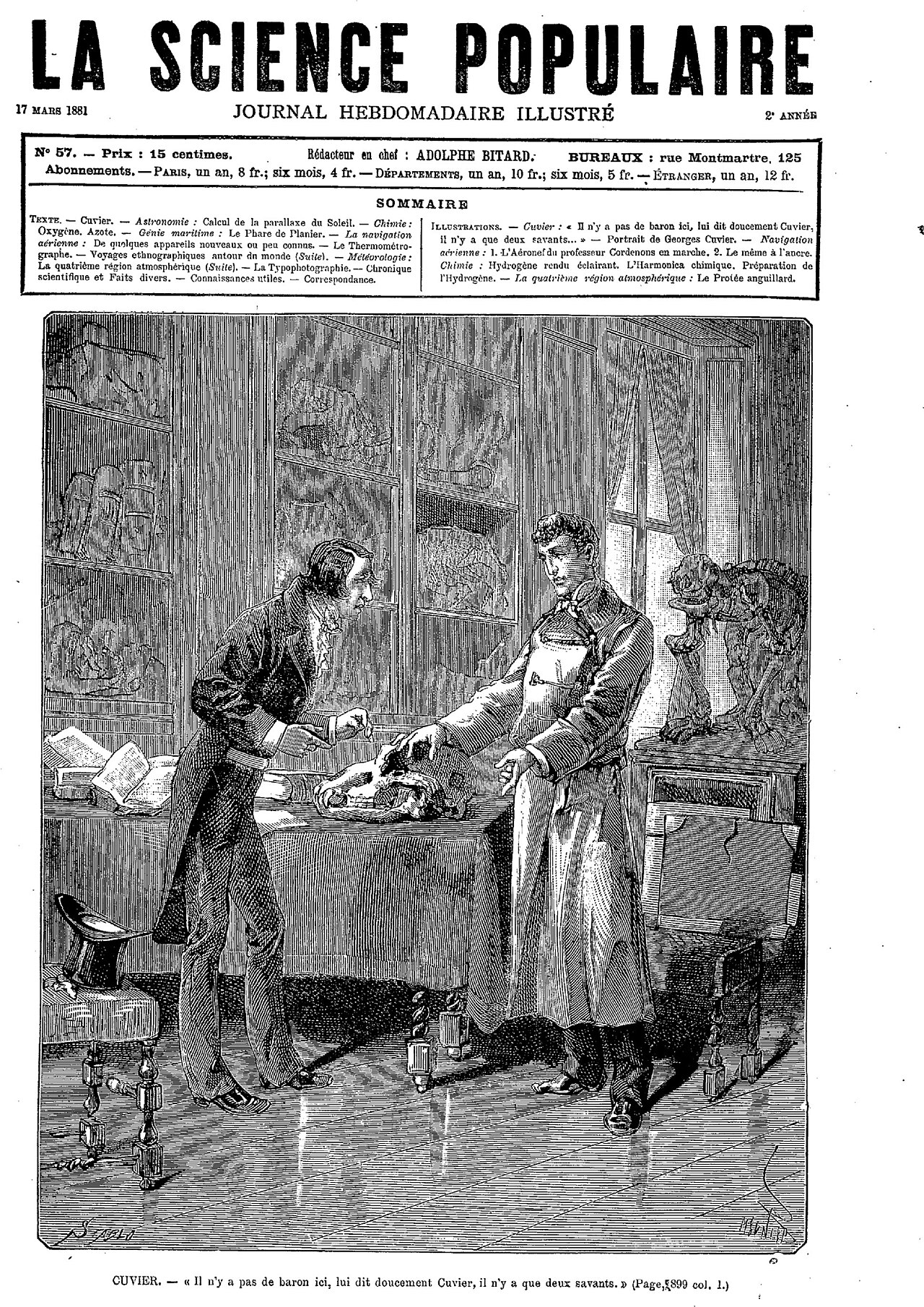
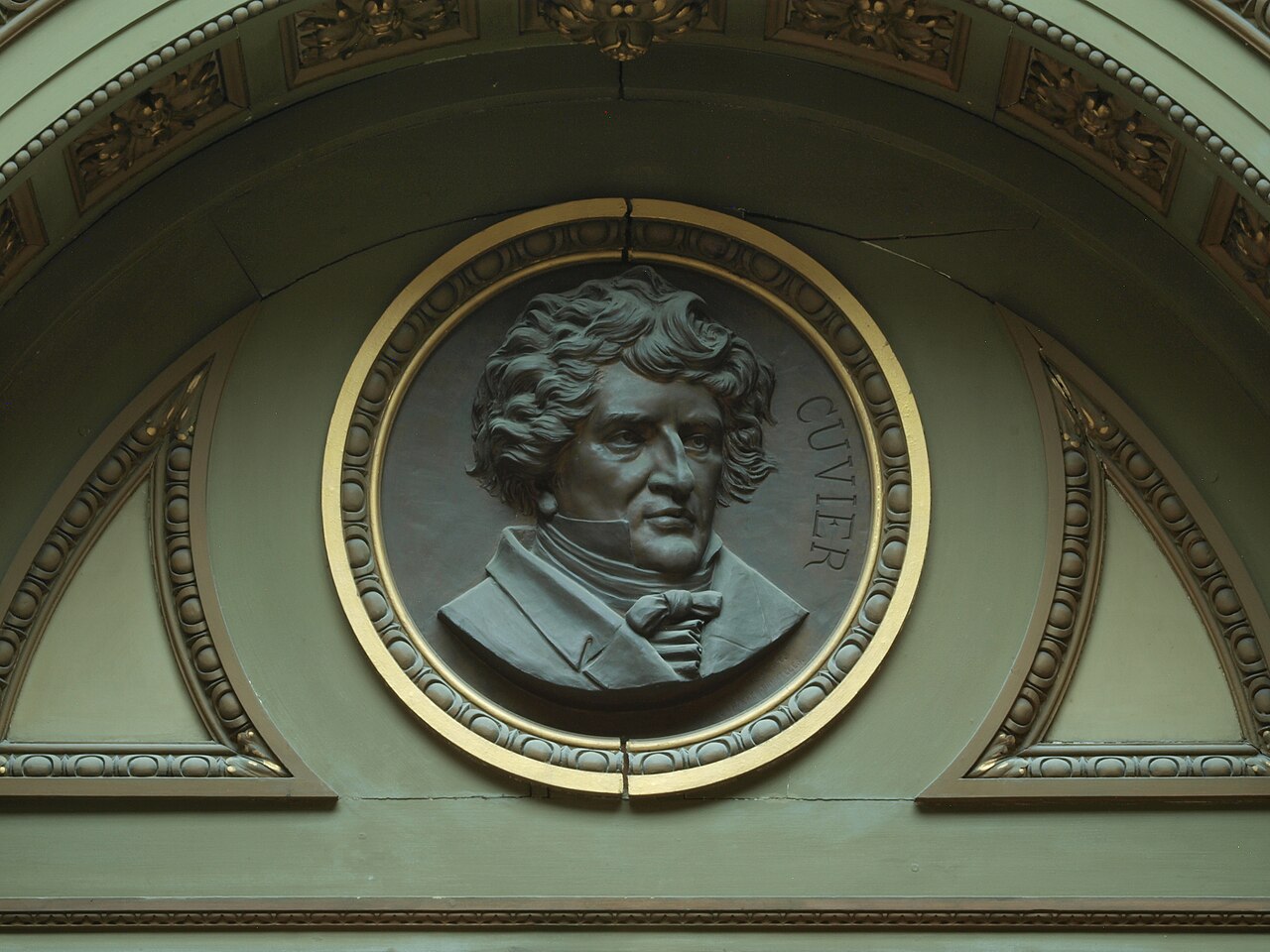
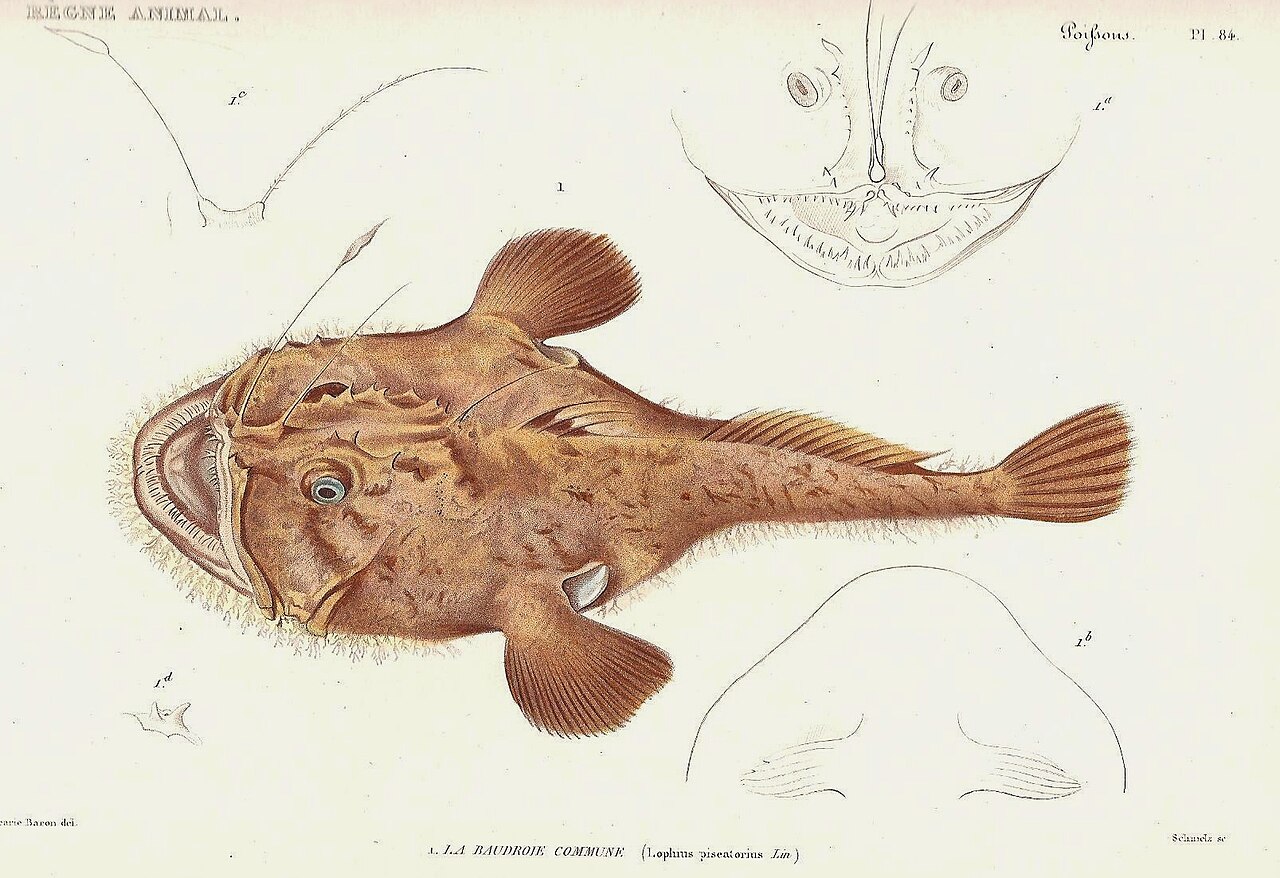
Frequently Asked Questions
Who is Georges Cuvier?
Georges Cuvier was a French naturalist and zoologist active in the early 1800s who is widely regarded as the founding father of paleontology. He built his career on the systematic study of animal anatomy, both in living species and in fossilized remains.
What is Georges Cuvier most known for?
He is best known for establishing extinction as a legitimate scientific reality, demonstrating that entire groups of animals had vanished from Earth. His work in comparative anatomy and biostratigraphy laid the groundwork for modern paleontological research.
How did Georges Cuvier approach the study of fossils?
Cuvier developed a method of comparing skeletal structures of fossil remains with those of living species to identify and classify extinct animals. This comparative anatomy technique became the backbone of early paleontological investigation.
What is catastrophism and how does it connect to Cuvier?
Cuvier proposed that Earth's history was shaped by a series of sudden, catastrophic events that wiped out entire faunas, followed by repopulation. This theory, known as catastrophism, offered an explanation for the distinct layers of fossils he observed in rock strata.
Why is Georges Cuvier considered important in the history of science?
By demonstrating that extinction was real and that Earth's past could be read through its fossil record, Cuvier opened an entirely new window into deep time. His framework for biostratigraphy still underpins how geologists and paleontologists date rock layers today.
More in Explorers & Pioneers 1-24
Elsewhere in the Explorers & Pioneers universe
Spotted an error? Know more?
This is a living reference — every entry is fact-audited, and reader corrections feed straight into our audit queue. Suggest an edit · See this site's audit record