
Hatshepsut
Second confirmed female pharaoh who ruled during a period of prosperity.

Holger Uwe Schmitt · CC BY-SA 4.0
Hatshepsut (c. She was the Great Royal Wife of Pharaoh Thutmose II and Egypt's second confirmed woman to rule in her own right, after Sobekneferu. Her reign was a period of great prosperity and general peace, and she was one of the most prolific builders in Ancient Egypt.
- field
- Pharaoh, builder, trade patron
- nationality
- Ancient Egyptian
- known_for
- Second confirmed female pharaoh; extensive building projects including Mortuary Temple at Deir el-Bahari; re-establishment of trade networks including expedition to Punt
Lore & Background
Hatshepsut was the eldest daughter of Thutmose I and his Great Royal Wife Ahmose. After her father's death, she married her half-brother Thutmose II at age fourteen or fifteen. They had at least one daughter, Princess Neferure. Upon Thutmose II's death, the underage Thutmose III became pharaoh, and Hatshepsut initially served as regent. By Year 7 of his reign (c. To establish herself in the Egyptian patriarchy, she was depicted as a male pharaoh with masculine traits and male garb, emphasizing both male and female qualities to convey she was both mother and father to the realm.
Reader's Guide
Hatshepsut's significance lies in her successful reign as a female pharaoh in a patriarchal society, during a time of peace and prosperity. She re-established trade networks disrupted by the Hyksos, notably sending an expedition to the Land of Punt that returned with myrrh trees and frankincense. As one of the most prolific builders in Ancient Egypt, she commissioned hundreds of projects, including the Karnak Temple Complex, the Red Chapel, the Speos Artemidos, and the Mortuary Temple of Hatshepsut at Deir el-Bahari. She erected twin obelisks at Karnak, the tallest in the world at the time, and later ordered two more, one of which broke and remains as the Unfinished Obelisk. Her legacy was challenged after her death: toward the end of Thutmose III's reign and into that of Amenhotep II, her statues were destroyed, monuments defaced, and achievements ascribed to other pharaohs. Despite this, she is remembered as a powerful ruler who expanded trade and built extensively.
Did You Know?
- Hatshepsut was Egypt's second confirmed female pharaoh, the first being Sobekneferu.
- She re-established trade networks disrupted during the Hyksos occupation, including a mission to the Land of Punt that brought back 31 live myrrh trees.
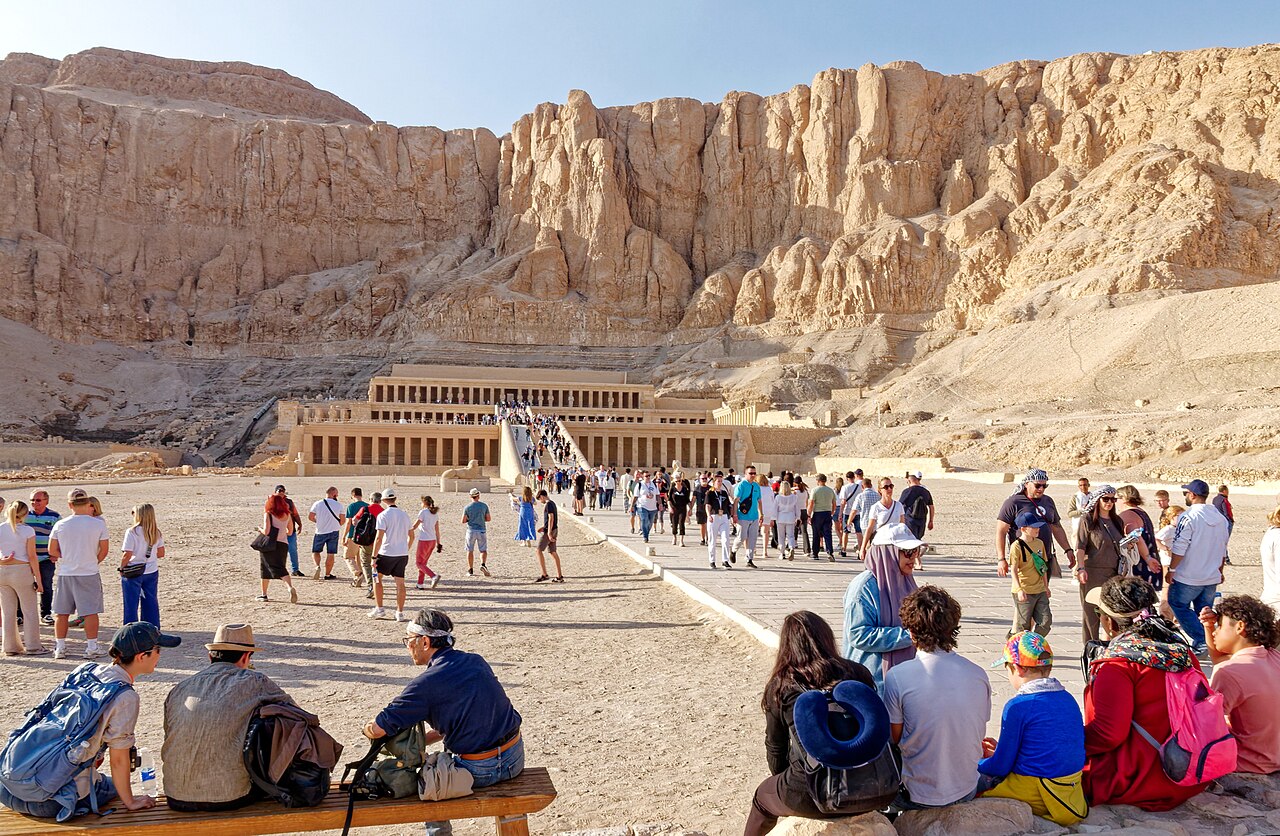
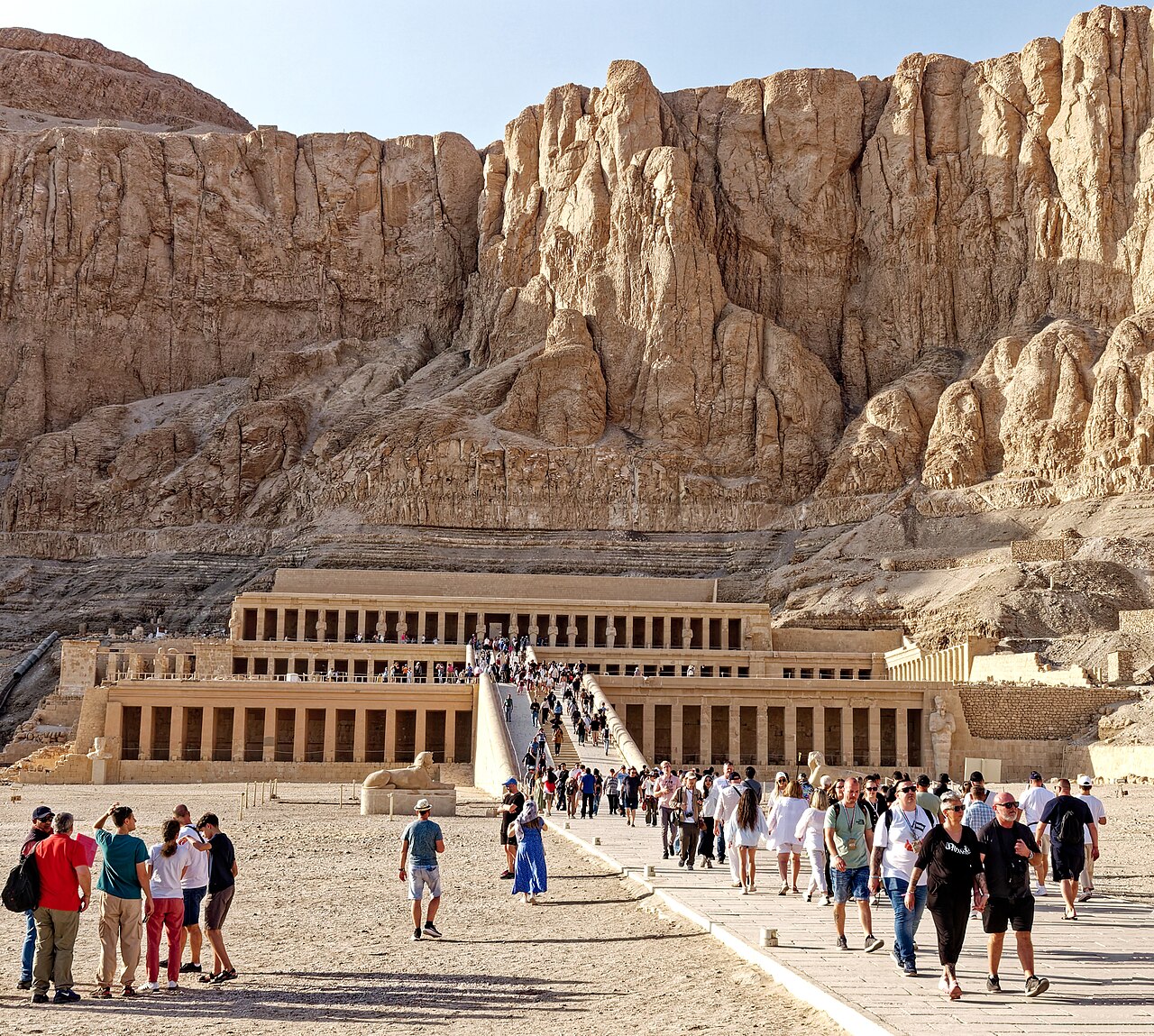
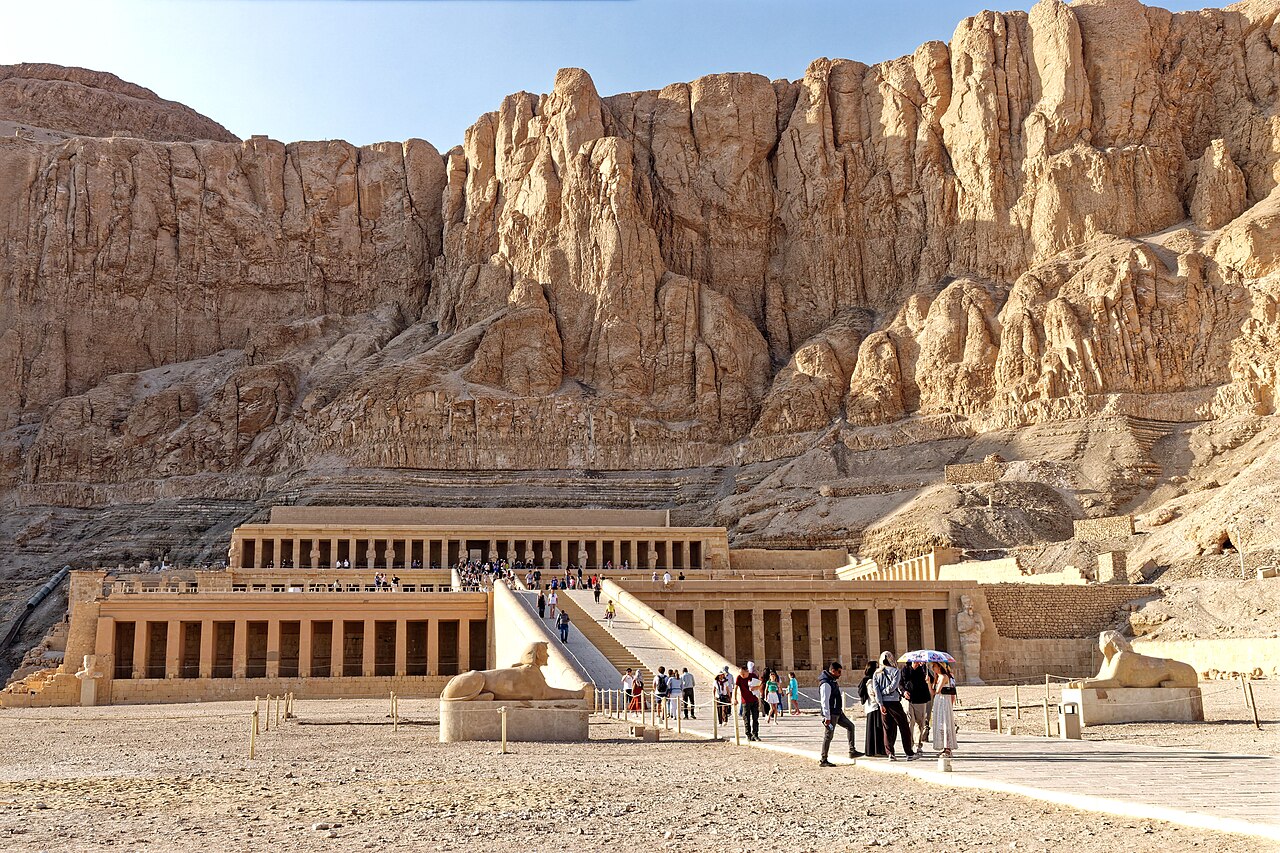
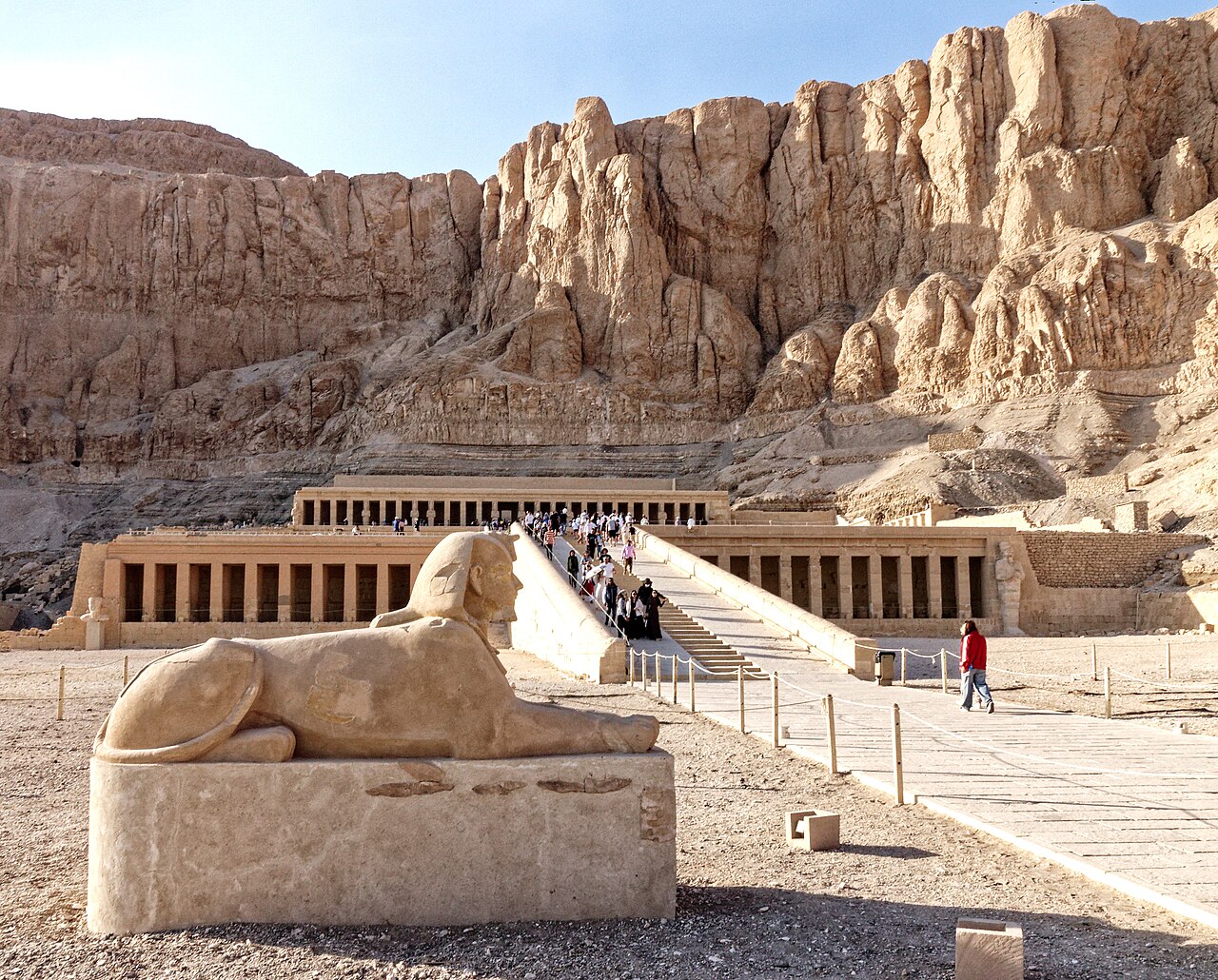
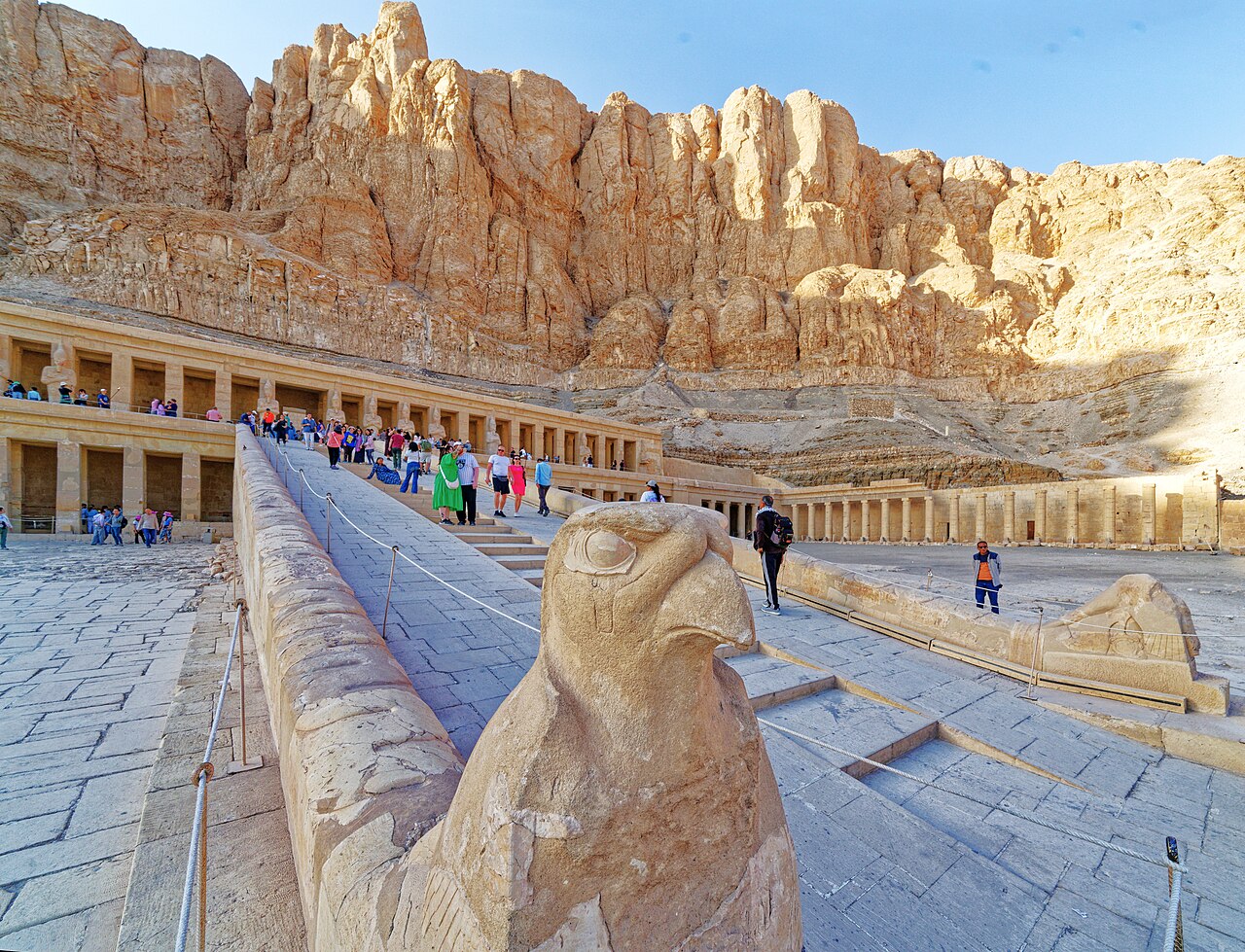
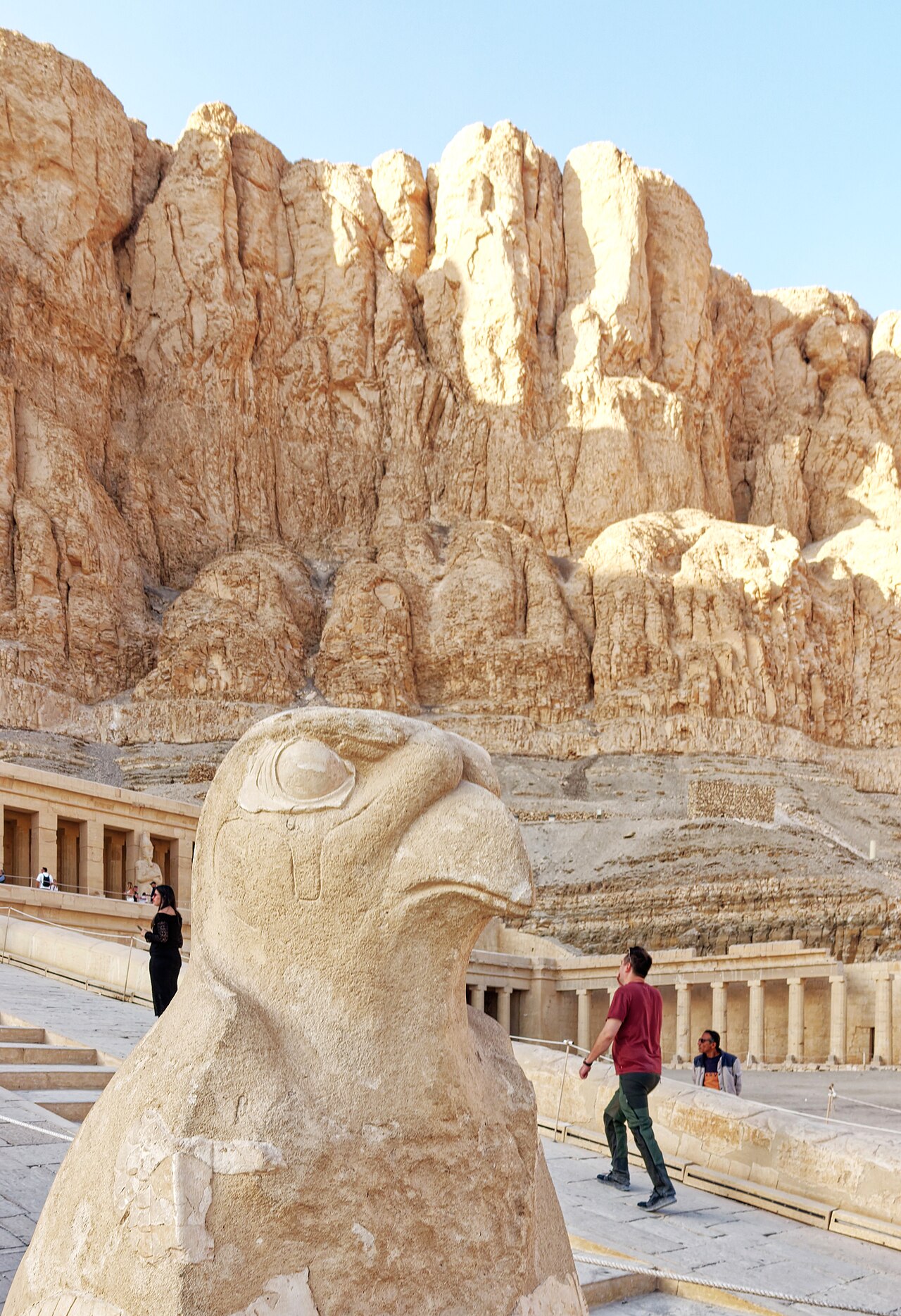
- Her mortuary temple at Deir el-Bahari is her most famous building project.
- After her death, an attempt was made to remove her from official accounts: statues were destroyed, monuments defaced, and achievements ascribed to other pharaohs.
Gallery
Frequently Asked Questions
What made Hatshepsut's rule historically significant?
She stands as Egypt's second confirmed woman to hold the throne independently, following Sobekneferu. Her roughly two-decade reign was defined by widespread peace, economic prosperity, and an extraordinary building program.
What are Hatshepsut's most notable achievements?
She was one of the most prolific builders in all of ancient Egypt, best remembered for her Mortuary Temple at Deir el-Bahari. She also re-established major trade routes, most famously commissioning the expedition to the land of Punt.
Why is Hatshepsut considered a pioneer in this context?
She shattered the expectation that only men could govern Egypt, proving a woman could lead a major civilization through trade, diplomacy, and monumental architecture. Her sponsorship of the Punt expedition also marks her as an early champion of long-distance exploration and cross-cultural exchange.
More in Explorers & Pioneers 1-24
Elsewhere in the Explorers & Pioneers universe
Spotted an error? Know more?
This is a living reference — every entry is fact-audited, and reader corrections feed straight into our audit queue. Suggest an edit · See this site's audit record